Retail POS System Development for Efficient Sales, Inventory, and Multi-Store Management
In modern retail, speed, accuracy, and real-time visibility are essential for success. Retailers must manage product catalogs, inventory levels, transactions, and customer data across multiple locations and channels.
A retail POS (Point of Sale) system serves as the central system that connects in-store operations with backend systems—helping businesses streamline processes, reduce errors, and improve customer experience.
We develop custom retail POS systems for retailers, chains, and multi-store businesses across the US, UK, and global markets—designed for scalability, performance, and operational efficiency.
Challenges in Retail Operations Without a Modern POS System
Retail businesses that rely on outdated or disconnected systems often face operational inefficiencies.
Common challenges include:

Inaccurate inventory tracking

Slow checkout processes

Difficulty managing multiple stores
Lack of real-time sales insights

Manual reporting and reconciliation
These issues can lead to lost sales, stockouts, and poor customer experience.
What Is a Retail POS System?
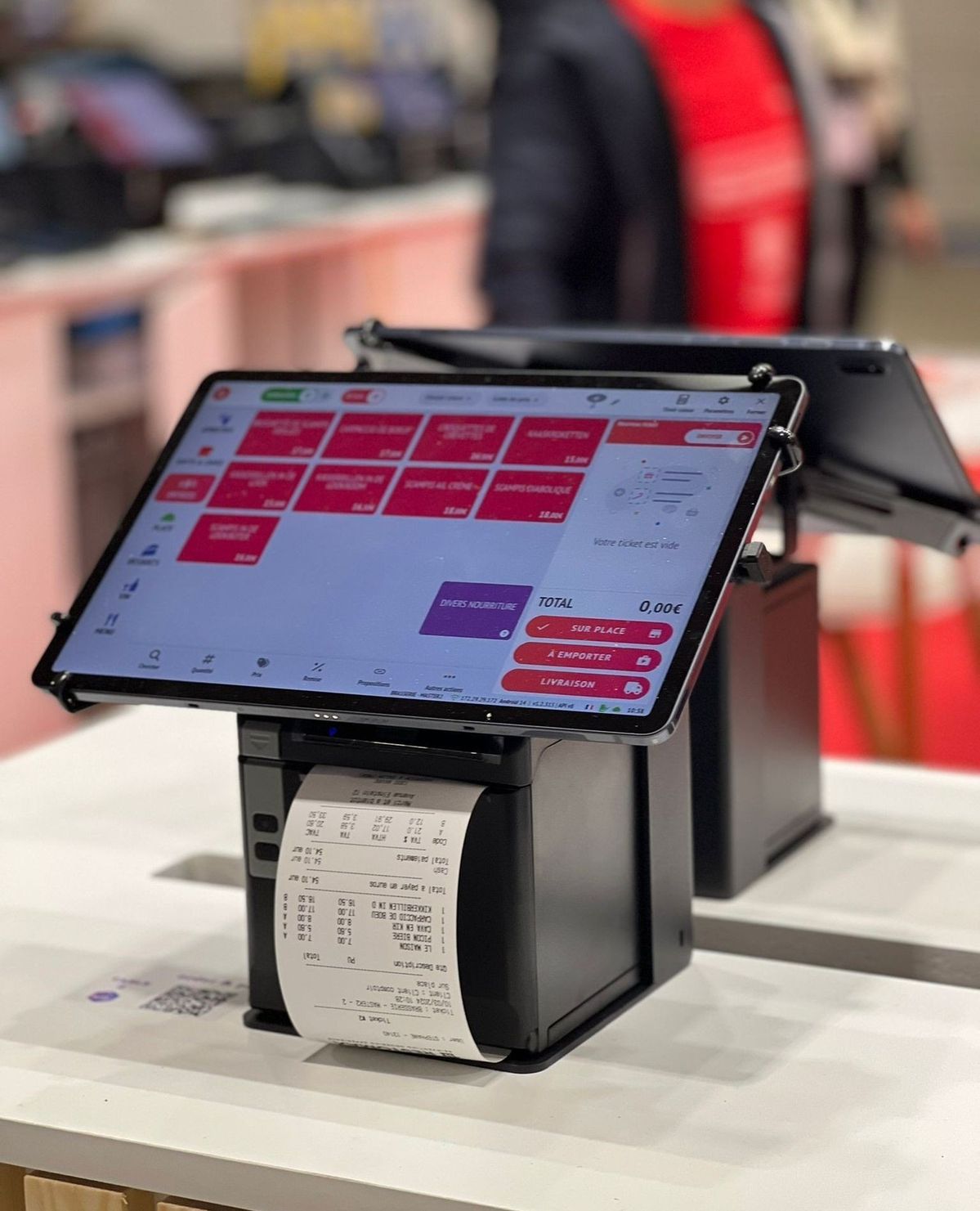
A retail POS system is a digital platform that manages sales transactions, inventory, and store operations in real time.
It acts as the operational hub for retail businesses.
Core capabilities:
Sales and checkout processing
Inventory management
Product catalog management
Customer data tracking
Reporting and analytics
Key Features of a Modern Retail POS System
Sales and Checkout Management
SKU-level inventory control
Warehouse and store inventory sync
Low-stock alerts
Multi-Store Management
Store-level performance tracking
Inventory transfer between stores
Product Catalog Management
Category management
Pricing control
Reporting and Analytics
Inventory reports
Profit and revenue tracking
Inventory Accuracy and Stock Control
Inventory management is one of the most critical aspects of retail operations.
Key capabilities:
Automatic stock adjustments
Demand forecasting support
Benefits:
Improved inventory turnover
Better supply chain planning
Real-Time Sales Visibility
Retailers need real-time insights into sales performance.
POS enables:
Live sales tracking
Performance by store/location
Product-level sales insights
Impact: Better decision-making and faster response to market changes.
Real Use Case: Multi-Store Retail POS Implementation
We worked with a retail chain managing multiple stores across regions.
Challenges
Lack of centralized control
Slow reporting processes
Solutions
Integrated inventory and sales tracking
Enabled centralized management
Results
Faster checkout processes
Better operational visibility
Integration with Retail Ecosystem
Retail POS systems must integrate with other systems.
Common integrations:
Omnichannel Commerce
CRM Systems
Benefits
Seamless online-offline operations
Improved efficiency
Retail POS for US, UK, and Global Markets
We build POS systems for global retail businesses.
Key features:
Multi-currency support
Tax compliance (regional requirements)
Multi-location support
Localization
Cloud-Based POS Systems for Modern Retail
Cloud POS systems provide flexibility and scalability. Benefits:
Access data from anywhere
Automatic updates
Lower infrastructure costs
Easy scalability
System Architecture for Retail POS Systems
A modern POS system requires a robust architecture.
Core components:
Cloud backend
API integration layer
Database system
Benefits:
High performance
Scalability
Cost to Build a Retail POS System
Starting from $12/hour, depending on developer experience and project complexity.
Offshore Development Advantage
Many retailers choose offshore development teams. Benefits:
Lower development cost
Faster implementation
Access to experienced developers
Flexible scaling
Custom POS vs Off-the-Shelf Solutions
Limitations of off-the-shelf POS:
Restricted integrations
Generic workflows
Benefits of custom POS:
Better performance
Full control over features
Who Needs a Retail POS System?
Retail stores
Multi-store chains
Franchise businesses
Supermarkets and convenience stores
Frequently Asked Questions
What is a retail POS system?
A system used to manage sales, inventory, and operations in retail stores.
Can POS systems track inventory?
Yes, inventory management is a core feature.
Is POS suitable for multi-store businesses?
Yes, modern POS systems support centralized multi-store management.
Can it integrate with ecommerce platforms?
Yes, integration enables omnichannel operations.
Build a Scalable Retail POS System
A modern retail POS system helps businesses improve efficiency, manage inventory accurately, and deliver better customer experiences.
Build a POS solution designed for scalable retail operations and long-term growth.