
Omnichannel Commerce Platform Development for Unified Retail Experiences Across All Channels
Modern consumers interact with brands across multiple channels—online stores, mobile apps, physical stores, and marketplaces. However, when these channels operate independently, it leads to fragmented experiences and lost opportunities.
An omnichannel commerce platform enables retailers to unify all sales channels, providing a seamless and consistent customer experience while improving operational efficiency.
We develop omnichannel commerce platforms for retailers across the US, UK, and global markets—designed to integrate systems, synchronize data, and deliver real-time customer experiences.
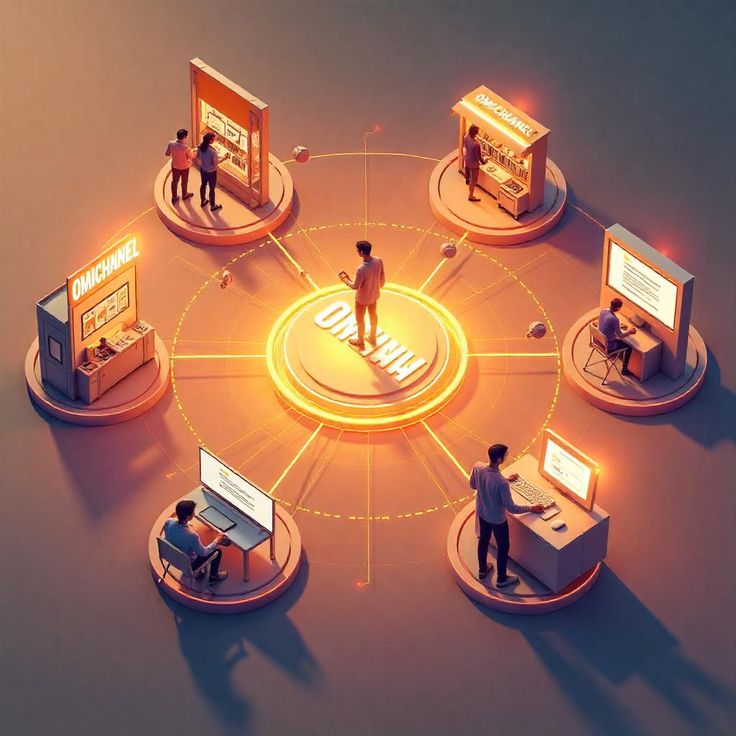
The Challenge of Fragmented Retail Channels
Retailers often manage multiple systems for different channels. Common challenges include:

Inconsistent pricing across channels

Disconnected inventory systems

Fragmented customer data
Poor customer experience

Lack of real-time visibility
These issues result in lost sales and inefficient operations.
What Is an Omnichannel Commerce Platform?
An omnichannel commerce platform is a system that integrates all retail channels into a unified ecosystem
It ensures that customers can interact with a brand seamlessly across different touchpoints.
Core capabilities:
Unified inventory management
Cross-channel order processing
Customer data synchronization
Real-time updates
Omnichannel vs Multichannel
Many businesses confuse omnichannel with multichannel.
| Aspect | Omnichannel | Multichannel |
| Integration | Fully integrated | Separate channels |
| Customer experience | Unified | Fragmented |
| Data flow | Real-time sync | Limited |
Omnichannel focuses on a seamless customer journey, not just multiple sales channels.
Key Features of an Omnichannel Commerce Platform
Different types of institutions use SIS systems in different ways.
Unified Inventory Management
Prevent overselling
Centralized inventory control
Cross-Channel Order Management
Flexible fulfillment options (delivery, pickup)
Customer Data Synchronization
Cross-channel behavior tracking
Seamless Checkout Experience
Integrated payment systems
Customer Journey Across Channels
Customers often switch between channels before making a purchase.
Example journey:
Visit physical store
Purchase via mobile app
Omnichannel enables:
Personalized recommendations
Seamless transitions between channels
Results: Higher conversion rates and better customer satisfaction
Real Use Case: Retail Omnichannel Transformation
We worked with a retail brand operating both online and physical stores.
Challenges:
Inventory mismatches
Poor customer experience
Solution:
Integrated ecommerce, POS, and CRM systems
Enabled real-time synchronization
Results:
Improved customer experience
Better operational efficiency
Integration with Retail Ecosystem
Omnichannel platforms integrate multiple systems.
Common integrations:
POS Systems
Marketplace Integration
Benefits:
Real-time data flow
Improved decision-making
Omnichannel Commerce for US, UK, and Global Markets
Retailers operating globally need flexible systems.
Key global features:
Multi-currency support
Localization
Cross-border fulfillment
Tax compliance
System Architecture for Omnichannel Platforms
A modern omnichannel system requires advanced architecture.
Core components:
Microservices design
Real-time data synchronization
Cloud infrastructure
Benefits:
Flexibility
High performance
Cost to Build an Omnichannel Platform
Starting from $12/hour, depending on developer experience and project complexity.
Offshore Development Advantage
Many retailers choose offshore teams for omnichannel development. Benefits:
Lower development cost
Faster time to market
Access to experienced developers
Flexible scaling
Custom Omnichannel Platform vs Separate Systems
Many institutions choose offshore teams for SIS development. Benefits:
Limitations of separate systems:
Poor synchronization
Inconsistent customer experience
Benefits of omnichannel platforms:
Better customer experience
Increased efficiency
Who Needs an Omnichannel Commerce Platform?
Retail brands
Ecommerce businesses
Multi-store retailers
Marketplace sellers
Frequently Asked Questions
What is omnichannel commerce?
A system that integrates all retail channels into a unified experience.
How is it different from multichannel?
Omnichannel focuses on integration and seamless experience.
Can it integrate with existing systems?
Yes, integration is a key feature.
Is it scalable?
Yes, modern platforms are designed to scale.
Build a Unified Omnichannel Experience
An omnichannel commerce platform helps retailers deliver seamless customer experiences, improve operations, and increase sales across all channels.
Build a platform that connects your business and customers across every touchpoint.